
Writer: Leoni A.
Editor: Mehdi G.
Translator: Yohei S.
Learning new languages can feel overwhelming when you only rely on textbooks or memorization. However, there is a method that feels more enjoyable and closer to how we learned our first languages: reading. Whether they are novels or manga, books expose us to real expressions, culture, and vocabulary used in everyday situations. For learners of both English and Japanese, reading offers a unique path to fluency, one that lets you learn while enjoying stories. This article offers book recommendations for each language, along with tips on how to make the most of them.
Learning English through Books
Reading in English helps learners absorb grammar and vocabulary the same way native speakers do. Instead of memorizing long word lists, seeing phrases inside a story teaches you how they’re actually used. For beginners, a great place to start is the Oxford Bookworms series, which offers graded readers written specifically for English learners. The stories are simple and short, but still engaging enough to build confidence and rhythm.
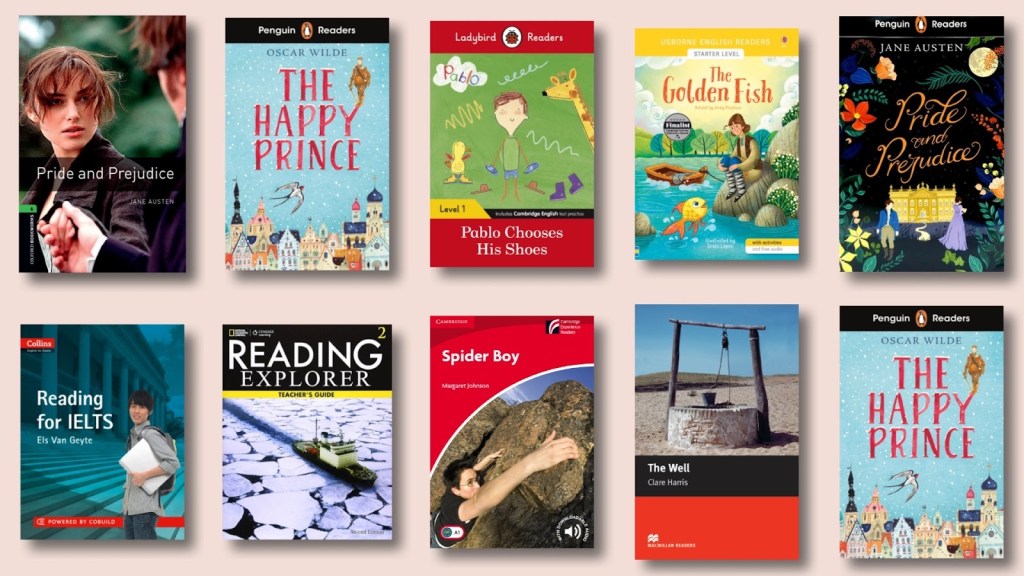
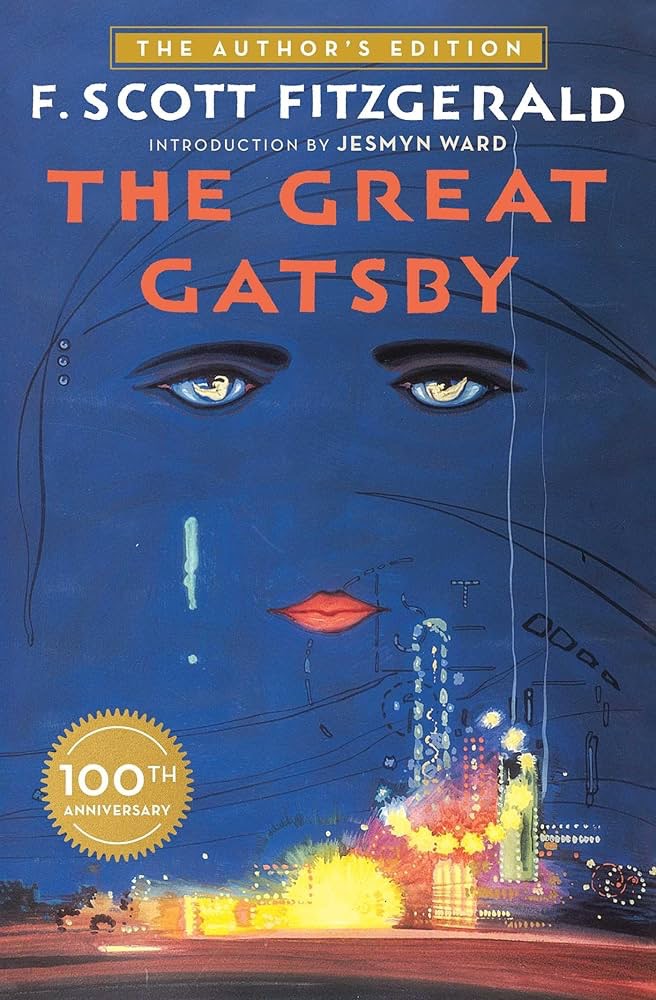
Once you feel ready for something more challenging, Harry Potter and the Sorcerer’s Stone is an ideal intermediate step. Many learners enjoy it because the plot is familiar, making it easier to follow even with new vocabulary. The writing is clear, the characters are memorable, and the magical setting keeps the reading fun. For advanced learners, The Great Gatsby is a classic choice. It’s relatively short, yet rich in literary expression and imagery, making it perfect for learners who want to strengthen their understanding of nuanced English.

When reading English books, it helps to use an e-book reader with a built-in dictionary. This allows you to look up unfamiliar words without interrupting the flow of the story for too long. Try to focus on understanding the overall meaning rather than translating every sentence. The more you read, the more natural English will start to feel to you.
Learning Japanese through Books
Japanese can be intimidating because of the kanji, grammar, and different levels of politeness, but reading makes these elements easier to absorb. Seeing grammar and kanji inside real stories helps learners understand how they function in daily life and conversation.
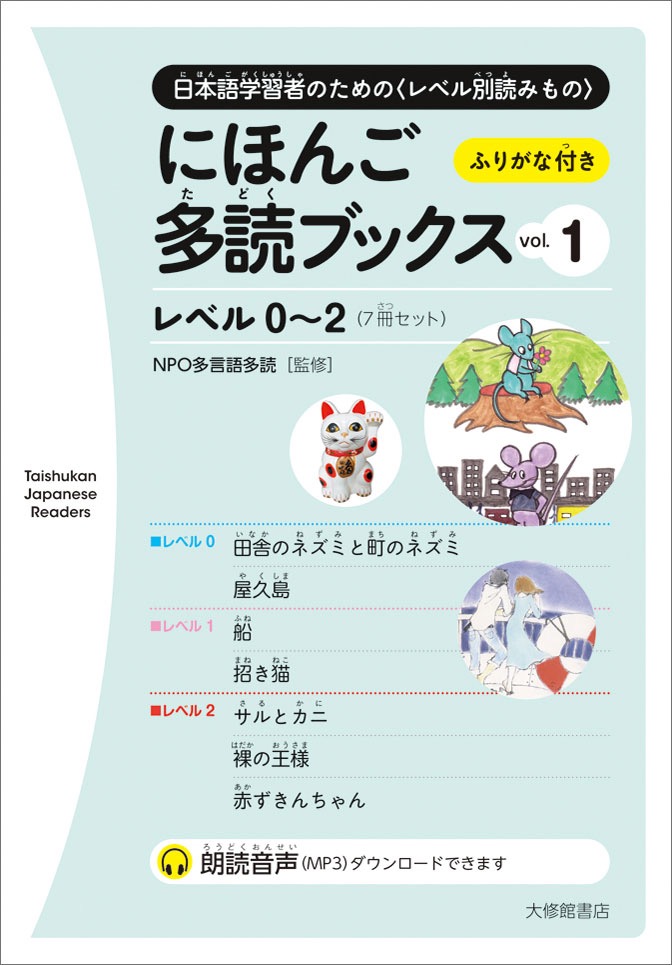
For beginners, にほんご多読ブックス (Nihongo Tadoku Books) are ideal because they use simple language, pictures, and plenty of context. These books are specifically designed to help learners enjoy without stress. Another friendly entry point is the manga よつばと!(Yotsuba&!), known for its everyday dialogue and charming slice-of-life storytelling that reflects daily Japanese expressions.

At the intermediate level, コンビニ人間 (Convenience Store Woman) is an excellent modern novel. It’s short, uses natural vocabulary, and provides cultural insight into Japanese work life and society. As the writing is straightforward, it’s accessible even to those who are reading their first Japanese novel.

A helpful approach is the Tadoku (extensive reading) method, reading without stopping too often, choosing books that match your level, and enjoying the content first. This builds reading fluency faster and makes learning less tiring.
Conclusion
Books are one of the ways to make learning languages enjoyable. Whether you prefer novels, manga, or graded readers, the key is to start with something you genuinely want to read. Each page helps you grow your vocabulary, strengthen your intuition, and feel closer to fluency. Turn the page, follow the story, and let the language become part of your journey.



 Times Of TIU