
Writer: Munkhjargal D.
Editor: Rikio Y.
Translator: Hinata S.
Traditionally speaking, an onsen is a Japanese hot spring bath in which naturally heated geothermal water is used. Thanks to the lively underground world of volcanoes, shifting tectonic plates, and mineral-rich aquifers, these baths appear across the country. Geologists often describe the archipelago as a giant experiment in the forces of heat and pressure. The result is thousands of springs that produce waters of varied temperatures, colors, and mineral profiles.
Onsens have existed in Japan since ancient times. Early communities treated hot springs as sacred places associated with Shinto purification practices. Bathing was a means of purifying both body and spirit, and many early bathing sites developed beside shrines.
During the Edo period, when traveling routes thrived, onsens were vital resting stops. The famous Tokaido road, which linked Kyoto with Edo, carried merchants, pilgrims, and samurai past onsen towns that would give relief after days of walking. These towns developed lodging, entertainment, and regional bathing cultures that survive today.
Modern Japan has folded the onsen into tourism and hospitality. While the roots remain traditional, contemporary resorts often balance classic rituals with modern comforts.
Types of Onsens
Onsens are often classified according to the composition of water. Sulfur springs have a characteristic smell and are valuable for skin care. Iron-rich springs may tint the water reddish brown, and are believed to be good for circulation. Sodium chloride springs usually feel silky and are good for retaining warmth. Dozens of other combinations exist, each with its own texture and its own reputation.
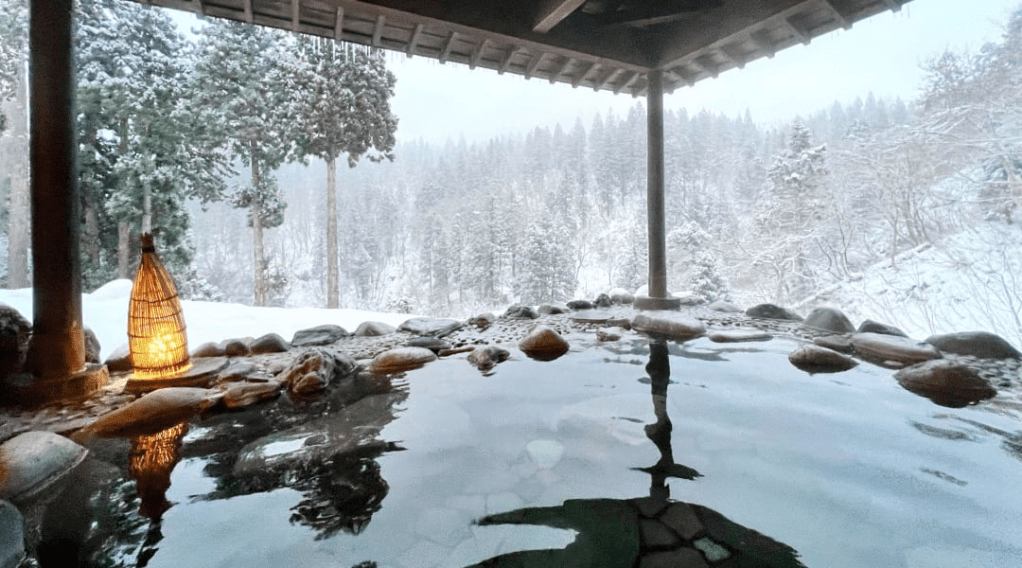
They vary by setting: outdoor baths, or rotenburo, afford panoramic views of mountains, forests, or rivers, while indoor baths offer shelter and climate control. Smaller rural onsens are sometimes situated on the banks of a river or by the sea, which further gives the bather a sense of being immersed in nature.
Public and private onsens

Public baths are a common feature, and there’s well-established etiquette. Less public onsen also exist – sometimes attached to rooms at traditional inns – where families or couples can bathe together.
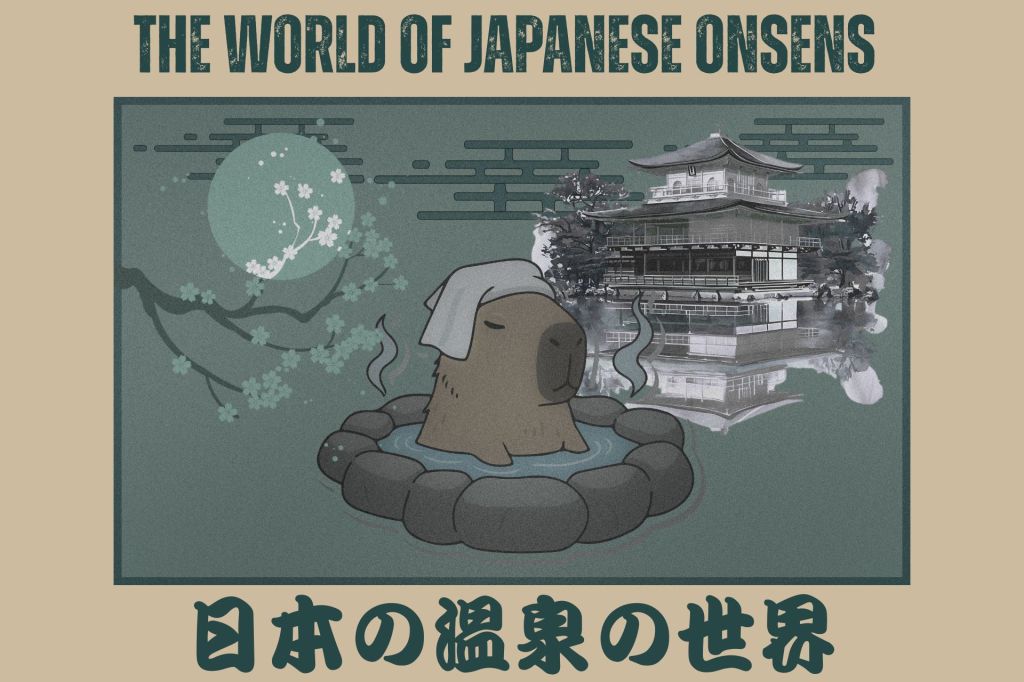
Etiquette plays a central role in the experience. Bathers wash well before entering the water. Towels remain out of the pool, with small towels often placed on the head to prevent them from dipping in. Most facilities segregate baths by gender. A few regions maintain mixed bathing traditions, although those are far less common today. Photography inside areas where people are bathing is generally forbidden to preserve privacy and maintain an atmosphere of serenity.
Health and Well-being Benefits

Many visitors come because of the onsen mineral qualities: sulfur for skin health, carbonated springs for soothing muscles, iron-rich springs to help support circulation. Results may vary from person to person and are by no means a replacement for medical care, but many find the experience physically restorative.
The psychological benefits are just as appreciated: warm water, quiet surroundings, and a relief from daily routine can help alleviate mental stress. This tradition invites and enables one to spend slow, unhurried time in contrast to everyday life.
Limitations do exist. Certain heart conditions, extremely high temperatures, or open wounds may require the avoidance of certain baths. Most facilities post guidelines to help visitors make safe choices.
Famous Onsen Regions

Hakone is one of the most accessible onsen areas from Tokyo, offering great mountain views and several art museums.
Beppu on Kyushu offers an enormous variety of springs, including steaming vents and mud baths.
Kusatsu has highly acidic water, which is famous for its supposed cleansing properties, along with the traditional water stirring performance called yumomi.
Noboribetsu in Hokkaido offers a dramatic volcanic landscape with water flowing from multiple mineral sources.
Kurokawa, in Kumamoto Prefecture, retains a rustic feel, with visitors walking from bath to bath wearing wooden plaques that note their stops.
Onsens in Modern Culture
Ryokan inns usually have onsens built in; they will often blend a private or semi-private bath with tatami rooms and multi-course meals for a complete travel experience devoted to slow comfort.
Onsens are very common in anime, film, and literature. These scenes also sometimes provide moments of rest or character development. The settings also tend to showcase the interplay between nature and human ritual.
All this means that environmental management is increasingly part of the discussion. Many regions work to preserve water sources, limit overuse, and maintain the delicate landscapes that make hot spring towns possible.
Travel Tips for Visitors

Finding an authentic onsen often means wandering into smaller towns or seeking out locally-run facilities rather than large, theme-style complexes. Seasonal timing is everything: winter brings magical snowy baths, while spring and autumn are both times of seasonally scenic transitions in nature.
Many people bring in a small towel, another larger towel to dry with later, and some toiletries. Most onsens provide the basics but may vary in their offerings. Expect a quiet environment, simple routines, and a rhythm that encourages unhurried time. Onsens remain central to Japanese life, shaped by volcanoes, history, and centuries of shared custom. They offer a space where tradition meets the natural world and where modern travelers can pause, rest, and feel the landscapes that lie beneath the surface of the country. The enduring appeal of the onsen comes from this balance of water, ritual, and a sense of connection to a deeper Japan.




 Times Of TIU
Leave a comment