
Writer: Hibiki K
Editor: Yohei S.
Translator: Leoni A.
The Culture and Daily Life Connected by the Twelve Signs
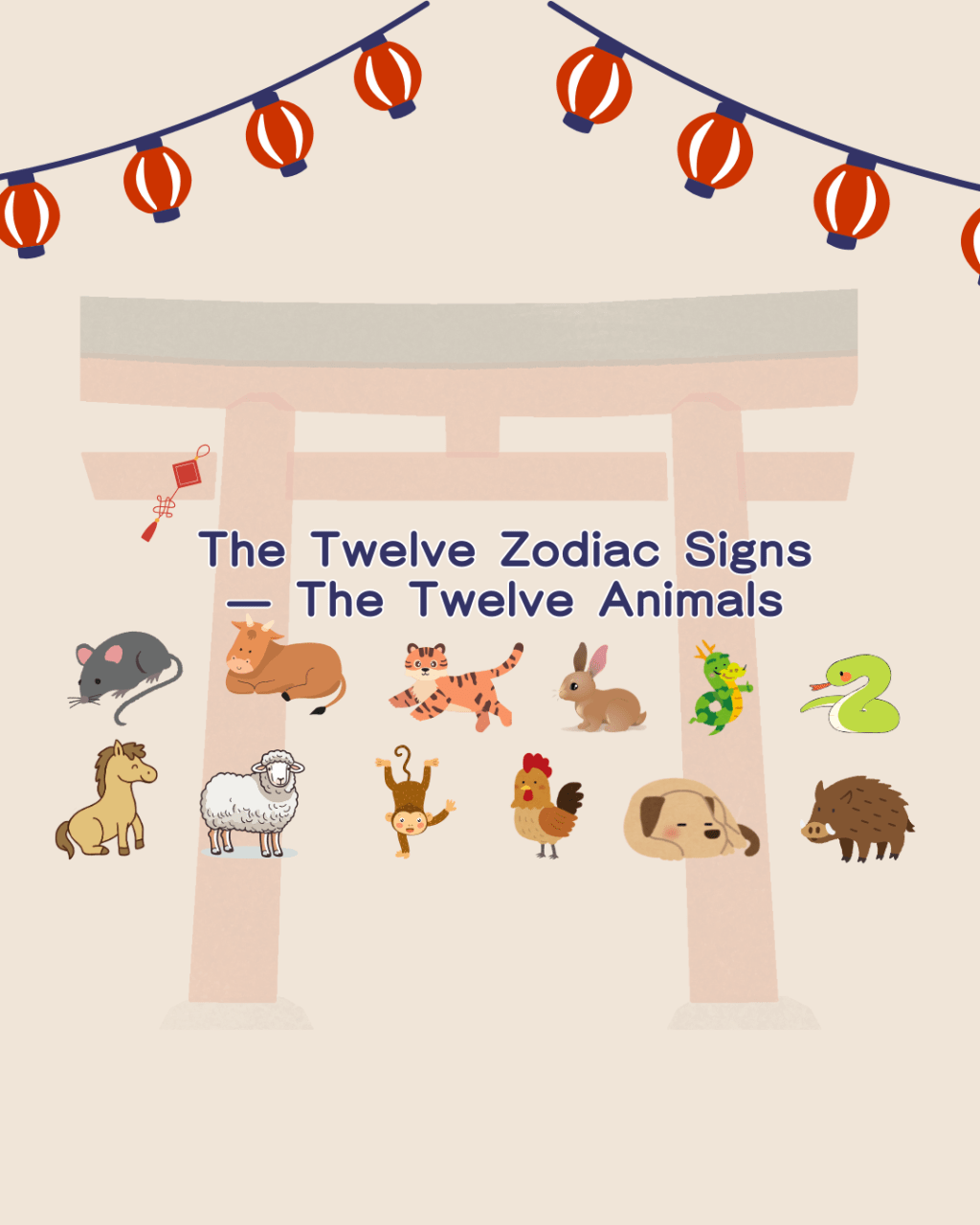
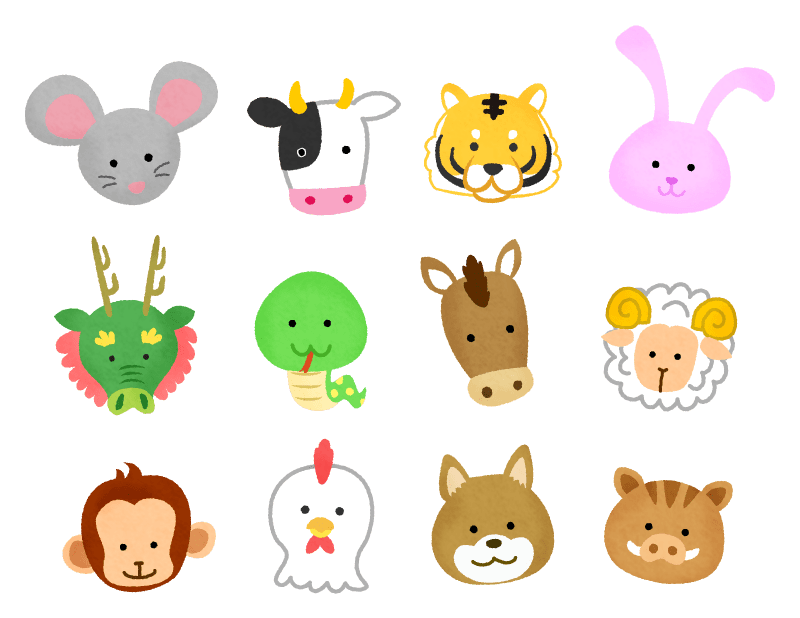
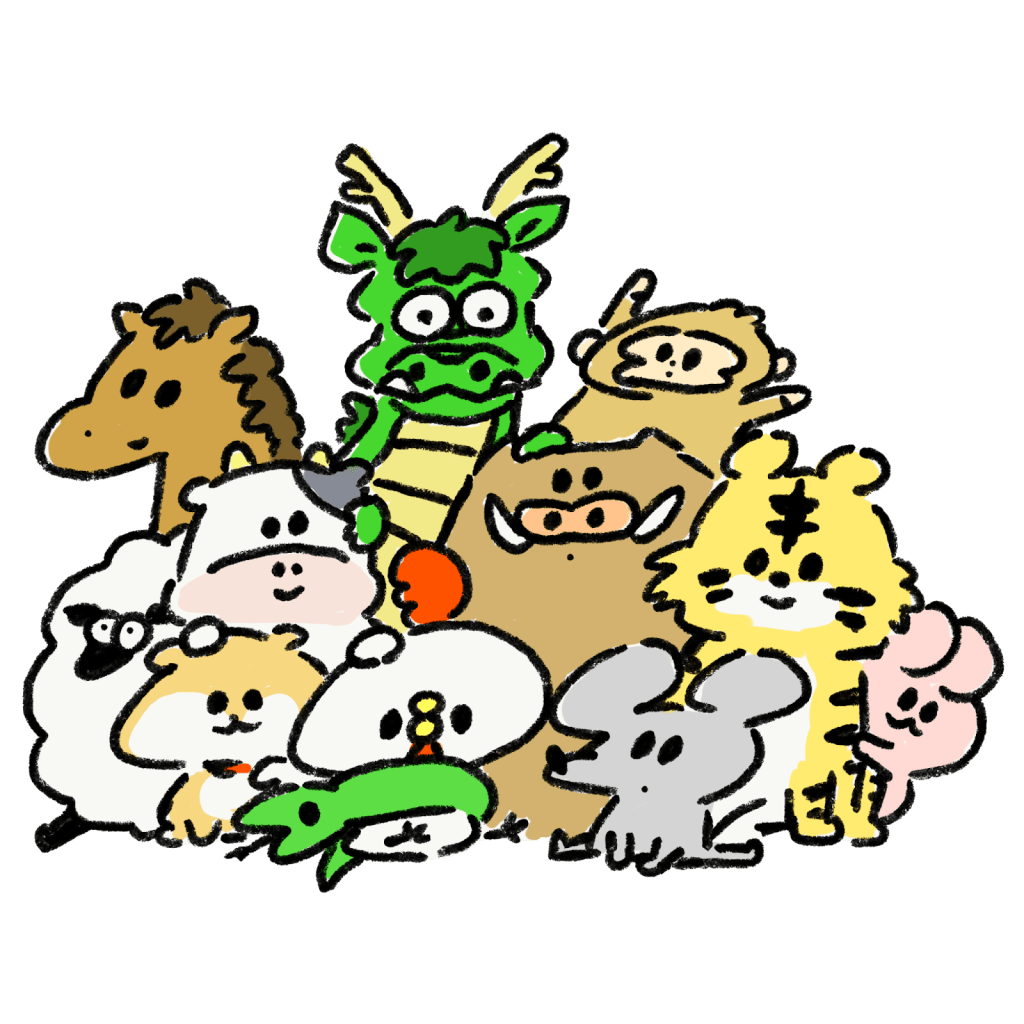
The Jūnishi (十二支), or the Twelve Zodiac Signs, is a traditional concept made up of twelve animals, from the Rat (子) to the Boar (亥). It goes beyond just fortune-telling or personality diagnosis, being deeply tied to calendars and directions. In Japan and throughout East Asian cultures, the twelve signs are reflected in various aspects of daily life, influencing how people perceive time and assign meaning or value to things.
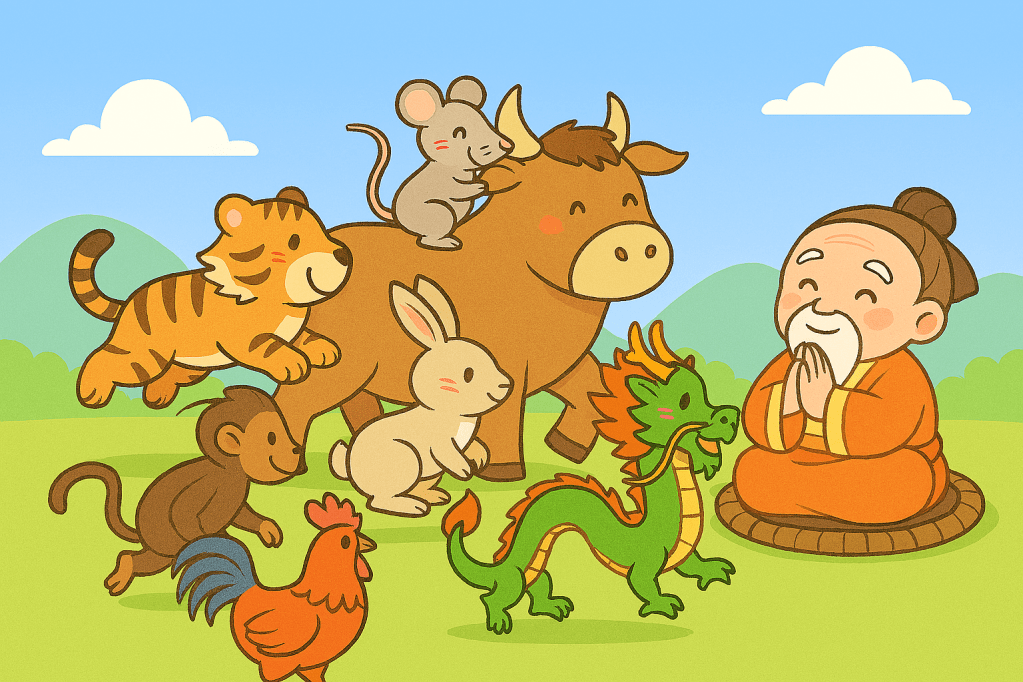
The Jūnishi are familiar figures that often appear in Japanese folktales. One well-known story tells of how the animals raced to reach the gods to determine the order of the zodiac. In the tale, the rat cleverly rides on the ox’s back and jumps off at the last moment to arrive first, while the cat, having been tricked and left out of the race, ends up holding a grudge against the rat. These stories, full of humor and creativity, have been loved by both children and adults alike.
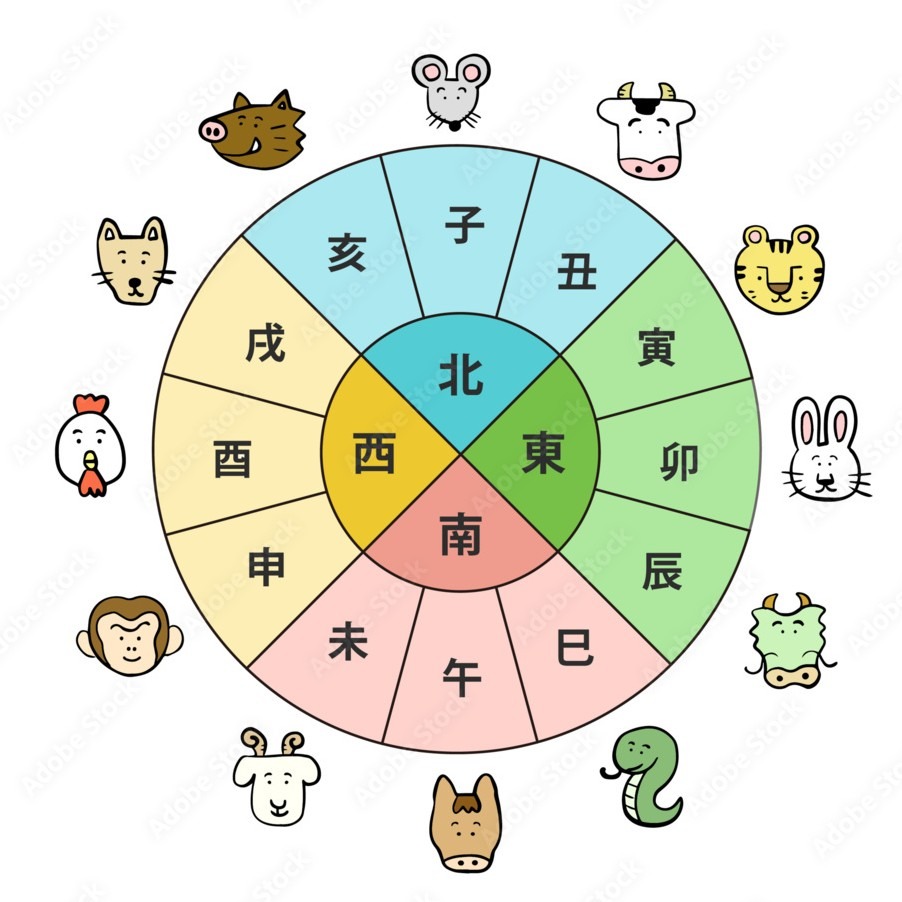
However, the Twelve Zodiac Signs are not merely old stories or tools for fortune-telling. They have long been integrated into the ancient calendar system and used as important units to represent years, months, days, and even hours. The zodiac also appears in geographical contexts; for instance, expressions like ushitora (ox-tiger) or sarutori (monkey-rooster) are used to indicate specific directions. In this way, the Jūnishi serves as a cultural code deeply embedded in how people perceive both time and space.
The Personalities Represented by the Twelve Signs
The Twelve Zodiac Signs are widely recognized as cultural symbols that represent personality traits and fortune. In Japan, it is common to interpret one’s character and compatibility based on their birth year’s zodiac sign. For example, people born in the Year of the Dragon are often said to have leadership qualities, while those born in the Year of the Sheep are considered gentle and cooperative. These beliefs are shared across generations and often become topics of conversation in New Year’s greetings or casual chats, offering a fun way to reflect personality traits.

This zodiac culture is not unique to Japan, it is also deeply rooted in China, Korea, Vietnam, and other parts of East Asia. Although there are slight variations in the animals or their order, the zodiac serves similar roles in marking time and directions, as well as in fortune-telling and personality analysis. For instance, in China, zodiac-themed decorations and gifts are common during the Lunar New Year, and in Korea, personality readings based on zodiac years are also popular. Thus, the Twelve Zodiac Signs continue to be shared cultural symbols representing East Asia’s collective identity.
Conclusion
Created as part of an ancient system for measuring time, the Jūnishi remain deeply embedded in modern life. In Japan, they have evolved through calendars, beliefs, and folk traditions, developing into a unique cultural form. The twelve zodiac animals are not merely symbols; they represent the flow of time, the structure of space, and aspects of human nature. Even today, they continue to enrich our lives as meaningful cultural heritage.




 Times Of TIU
Leave a comment