

Writer: Zyla H.
Editor: Mehdi G.
Translator: Kotomi T.
Have you ever stopped to look at a fox mask during a Japanese festival and wondered what it really means? The elegant white faces, sharp red lines, and mysterious expressions aren’t just for decoration. Behind every Kitsune mask lies centuries of stories, beliefs, and spiritual meaning that trace back to one of Japan’s most captivating creatures—the fox spirit known as Kitsune.
In Japanese folklore, the Kitsune is far more than an ordinary fox. It’s a magical being that appears again and again in both stories and Shinto beliefs. To followers of Shintoism, foxes are sacred messengers of Inari Ōkami, the deity of rice, fertility, and prosperity. But in folklore, the Kitsune’s personality takes on endless shades of charm, wit, mystery, and mischief—sometimes a loyal guardian spirit, other times a playful trickster who loves to toy with unsuspecting humans.

The Shape-Shifting Fox
One of Kitsune’s most famous abilities is shape-shifting. The older and wiser a fox becomes, the more powerful its magic grows. Some legends even say that every hundred years, the Kitsune earns another tail—up to nine for the most extraordinary of them all. Many stories tell of foxes turning into humans, slipping into villages disguised as beautiful women, clever travelers, or wise elders.
These transformations aren’t always meant to deceive—sometimes a Kitsune takes human form to experience love, help those in need, or explore what it means to be human. But just as often, it might choose to play clever tricks that teach people humility or expose their greed.
Good and Mischievous Spirits
There are two main kinds of Kitsune in folklore:
- Zenko, or “good foxes,” are benevolent spirits linked to Inari. They protect humans, bring luck, and watch over shrines and farmlands.
- Yako (or Nogitsune), the “wild foxes,” enjoy mischief. They’re known for causing illusions, playing pranks, or even leading travelers astray just for fun.
Together, these two sides of the Kitsune balance each other. The divine and the wild, the wise and the wicked—showing that power and spirit can never be only one thing.
Legends and Sacred Connections
Across Japan, countless legends tell of Kitsune who fall in love with humans, guard sacred places, or punish cruelty. In one well-known story, a man unknowingly marries a fox in human form, and despite her true identity, their love remains strong until the truth is revealed. When she leaves, it’s said she continues to watch over him and their family from afar.
At shrines dedicated to Inari, pairs of fox statues can be seen guarding the entrance, often holding keys or jewels in their mouths. These symbols represent protection, wisdom, and prosperity—the divine responsibilities of the Kitsune as guides and messengers between worlds.

From Festivals to Pop Culture
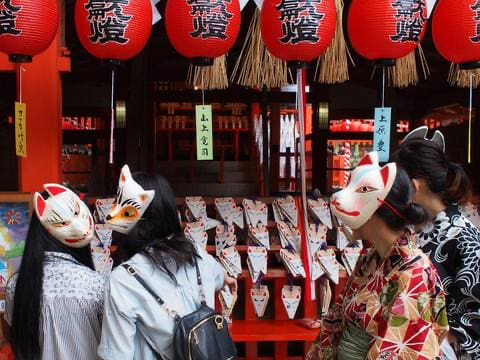
The Kitsune’s presence is still very much alive in modern Japan. During festivals, people wear Kitsune masks called kitsune-men to celebrate the spirit’s connection to agriculture, abundance, and protection. Wearing the mask isn’t just for fun, but a way to embody that mystical energy and celebrate the bond between humans and the spiritual world.
And even today, Kitsune continues to inspire Japanese art, anime, and storytelling. Whether featured as graceful guardians or clever tricksters, they remind us that what we see on the surface doesn’t always reveal what lies beneath.
A Timeless Symbol of TransformationThe Kitsune holds a special place in Japanese imagination because it represents transformation in form, in fate, and in spirit. It’s a creature that stands at the crossroads of belief and folklore, embodying wisdom, mystery, and change. From shrine statues and festival masks to modern stories on screens and pages, the Kitsune continues to enchant people across generations.
Mysterious yet protective, wild yet divine, the fox spirit reminds us that magic is never far away, sometimes hidden behind a smile, a mask, or a flickering tail in the shadows.




 Times Of TIU
Leave a comment