

Writer: Mehdi G.
Editor: Rikio Y.
Translator: Hinata S.
After arriving in Japan as an international student and moving out from your family’s house to attend university, students have to often take on a new responsibility to stay healthy from a food consumption standpoint. Naturally, keeping expenses low on food is essential. For that reason we can look into the way each season of the year can really become a great way to keep a diverse selection of healthy ingredients that are fresh and use them to keep a rotating menu throughout the year that keeps meals healthy and exciting. So what might that look like?
The Importance of Maintaining a Healthy Diet
Of course, after coming to Tokyo, it can be overwhelming to stay organised and keep track of the nutrition being taken in when there are many other thrilling events going on around. But as one settles down after a while, it might still be a bit tricky to really get a satisfying amount of nutritious food. For example, Japanese fresh produce, more specifically fruits tend to always be on the pricy side, yet getting them when they are in season can be a good decision financially since cheaper produce can be found. This is exactly why a strategy of taking advantage of the time of year can truly be beneficial for keeping a healthy diet year-round.

Spring (March-May)
Starting off with one of the most liked seasons in Japan, Spring offers a good selection of greens ranging from asparagus which contains a good range of vitamins like A,C,E, and K, as well as high levels of fiber. This goes along with lettuce, onions, and bamboo shoots. Also popular in spring, is of course strawberries, which can be enjoyed in a variety of ways from eating it on its own, with condensed milk, and even as an ingredient in baking.
From these ingredients,healthy meal options can be prepared. From which, we can mention the delicious bamboo shoot rice (aka 筍ご飯 takenoko gohan) which is an easy meal to prepare alongside a main dish, similarly light vegetable soups are always a good option. As well as pasta with asparagus and fresh greens.
Summer (June–August)
Moving towards the hot season, summer is a period where most people take time to travel, refresh, and relax. It is also a season rich in great produce that compliments its energy. It is when everything ranging from cucumbers, eggplants, tomatoes, green peppers, zucchini, bitter melon, okra, peaches, watermelon, and cherries are at their peak!
This makes for a rich selection of easy, and refreshingly tasty meals like some chilled somen noodles with cucumber and tomato, or a hot but great for summer time meals like stir-fried eggplant and peppers, a personal favorite, or pasta with burst cherry tomatoes and basil. Lastly, melons or peaches alongside fresh and cold fruit juices are things to always have around during summer.
Autumn (September–November)
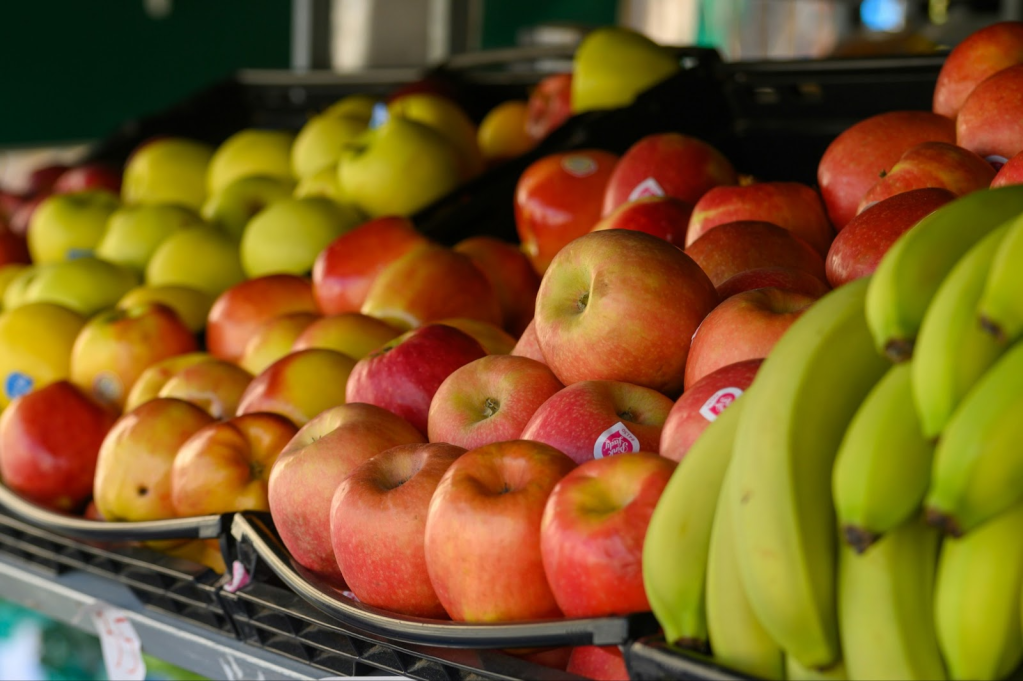
As the mood and feel of the weather changes, Fall is a season packed with holidays and festivities, while simultaneously offering great ingredients to do so. This season’s top vegetables are sweet potatoes, taro, and lotus root, as well as pumpkins and other fruits like grapes, apples, persimmons, chestnuts.
Accompanying the nice selection of fruits most fresh in Fall, many extremely healthy dishes can be thought of like simmered pumpkin or roasted sweet potatoes as side dishes. Also appetizing is both chestnut rice and mushroom pasta. And when an oven is an available appliance, preparing an apple or pumpkin pie can be a great idea for when a hang out session is planned with friends.
Winter (December–February)
While a new calendar year is starting, the last of the four seasons enters, and during that time we notice a variety of greens become available ranging from Daikon radish and Chinese cabbage, to spinach, turnips, and burdock. At the same time, similar fruits that peak during fall stay as the best options in winter as well.
During these three months, everyone tries to keep a cozy environment in their living space, and to compliment that, home cooked warm meals can be the best way to do so. Nice hot-pot dishes (nabe/鍋) or oden (おでん) with Chinese cabbage and tofu can be a great option as well as a stir-fried meal made with either chicken or shrimp. As for fruits, simple mandarins or cut-up fruits as a snack is an easy option to go with.

All and all, tastes and preferences in food can change from one person to another, yet hopefully this article has been insightful of possibilities to alternate through a healthy menu each season of the year in an attempt to keep a healthy yet affordable way to eat best suitable for university students. Adding to this, the implementation of international seasonal recipes can create even more excitement to a daily task like cooking.




 Times Of TIU
Leave a comment