
Writer: Ramji A
Editor: Maurille R.
Translator: Yukinobu C N.
Introduction
Physical Health Benefits

One of the most immediate effects of enough sleep is a boost to the immune system. Sufficient sleep allows the body to fight infections and illnesses more efficiently. When we are well rested, our immune system is stronger, allowing us to combat colds, flu, and other ailments more effectively. Additionally, sleep has an important function in lowering the risk of chronic diseases. Regularly obtaining enough rest helps reduce the risk of heart disease, diabetes, and high blood pressure, all of which are linked to sleep deprivation. By getting enough sleep, the body can restore itself and stay in good health throughout time. Another benefit is the increase in physical energy that sleep provides, which enhances our ability to exercise. When we sleep well, our energy levels rise, allowing for better physical performance, muscle repair, and overall fitness. Regular exercise, in turn, promotes better sleep, creating a healthy cycle between rest and physical activity.
Sleep is a vital biological function that restores energy and improves cognitive abilities. It is essential for physical and mental well-being and acts as the body’s natural reset button. Despite this, many people struggle to get enough sleep due to lifestyle demands, work pressures, or cultural habits. Lack of sleep can have a negative impact on health, productivity, and emotional balance, so it is critical to prioritize and maintain healthy sleep habits.
Mental and Emotional Health
Beyond its physical benefits, sleep is crucial for maintaining mental and emotional health. Adequate sleep improves cognitive function, which includes memory retention, concentration, and problem-solving abilities. Students and professionals alike benefit from better mental clarity and focus after a good night’s sleep. It helps us think more clearly and make better decisions, which is particularly important for those facing demanding workloads or academic studies.
Sleep also helps regulate emotions. Lack of sleep often leads to irritability, increased stress, and heightened anxiety. In contrast, those who sleep well are better able to manage their emotions, cope with challenges, and maintain a positive mood. Emotional balance is essential for overall well-being, and sleep plays a critical role in sustaining it.

Impact on University Studies and Overall Well-Being
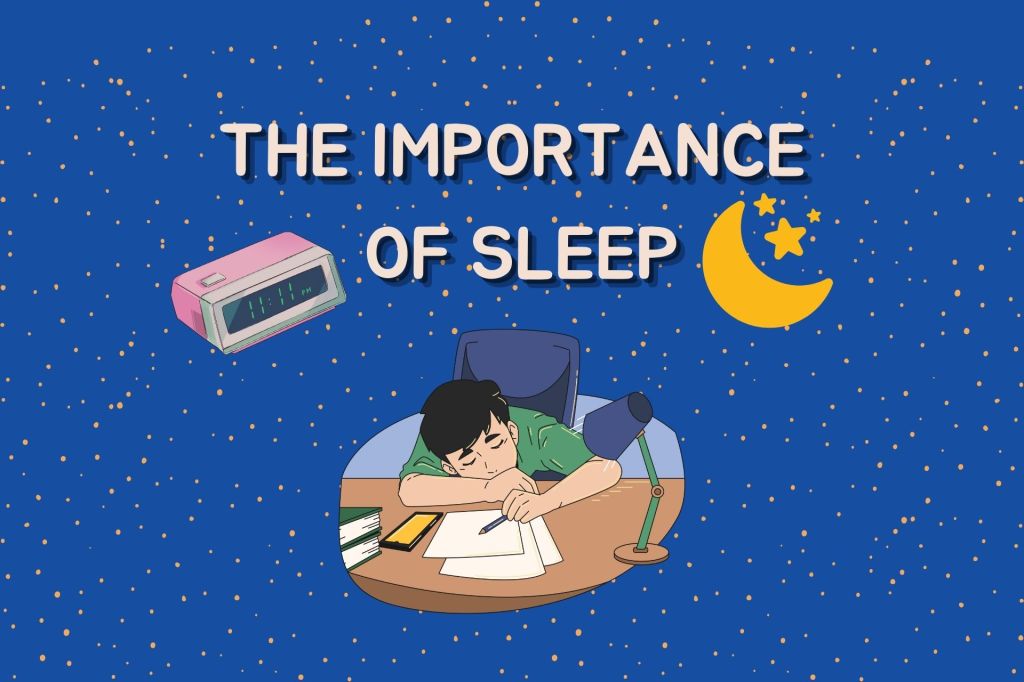
For university students, sleep is the foundation of academic success. It directly influences focus, memory retention, and the ability to process information. When students don’t get enough rest, their ability to absorb lessons, retain memorized information, and performance on exams is significantly affected. However, sleeping alone isn’t enough. To truly thrive, students must also maintain a healthy diet, engage in regular physical exercise, and allow time for relaxation. All of these components contribute to a balanced lifestyle, which in turn supports academic performance.
Sufficient sleep helps students manage this balance. When well-rested, it’s easier to study effectively, stay physically active, eat healthily, and still have time to unwind. This balanced approach promotes both physical and mental health, allowing students to succeed academically and enjoy a better quality of life.
Conclusion
Prioritizing sleep is essential not as a luxury but as a necessity for physical and mental health. It’s the foundation upon which productivity, emotional balance, and overall well-being are built. Without it, our bodies and minds cannot function at their best. Improving sleep hygiene is the key to ensuring a restful and restorative sleep routine. Establishing a consistent sleep schedule, creating a calming bedtime routine, limiting screen time before bed, and optimizing your sleep environment are all small changes that can have a big impact on sleep quality. By committing to these healthy habits, we can ensure that we not only survive but thrive, both in our daily lives and in our long-term health.




 Times Of TIU
Leave a comment