
Writer: Leoni A.
Editor: Samantha P.
Translator: Yukinobu N.
Overcoming Academic Burnout: A Student’s Guide
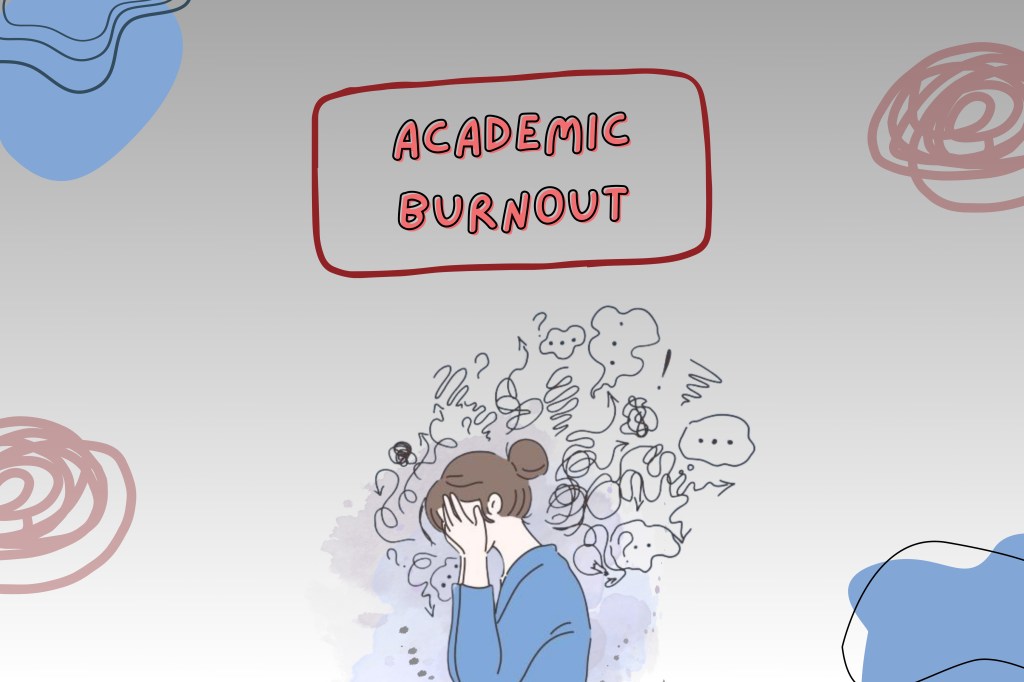
Academic burnout is a common experience for many students. It happens when a person feels emotionally, physically, and mentally exhausted from prolonged study. As students work towards their goals in their studies and extracurricular activities, it is important to recognize the signs of burnout and take measures to prevent it. In this article, we will explore the causes of academic burnout, the common signs, and effective strategies for prevention and recovery. By understanding academic burnout, students can improve their academic performance as well as their overall well-being while achieving their goals.

- Causes of Academic Burnout
There are several factors that contribute to academic burnout – overcommitment to studies and extracurricular activities, unrealistic expectations, and a lack of balance between work and personal life. Students consistently push themselves beyond their limits without proper rest, which leads to academic burnout.
How Does Burnout Happen?
- Overcommitment to Studies and Extracurriculars: Taking too many classes or part-time jobs can lead to heavy workload and constant pressure.
- Lack of Balance Between Work and Personal Life: Prioritizing academic commitments over personal needs such as sleep, food, and health. Putting studies first at the cost of social life can contribute to feelings of loneliness and isolation.
- Unrealistic Expectations and Perfectionism: Setting unrealistic standards to perform perfectly and fearing disappointment can lead to stress and burnout.
- Recognizing Signs of Burnout
Identifying the signs of burnout is key for early prevention. Here are some common symptoms to look for:
Physical Symptoms
- Fatigue: Feeling persistently tired, even after getting enough sleep.
- Insomnia: Difficulty falling or staying asleep at night.
- Changes in Appetite: Don’t feel hungry or find yourself craving food.
Emotional Symptoms
- Anxiety: Becoming anxious, worried, and overwhelmed.
- Depression: Experiencing sadness and disinterest in activities you once enjoyed.
- Lack of Motivation: Feeling unmotivated to do your assignments and other activities.
Cognitive Symptoms
- Difficulty in Concentrating: Hard time focusing on tasks or remembering things.
- Declining Performance: Experiencing a decline in academic performance.
Social Symptoms
- Isolation: Staying away from social interactions with friends or family.
- Irritability: Becoming easily frustrated with oneself or one’s surroundings.
- Loss of Interest in Class: Feeling disengaged in classes.
If you are experiencing any of these signs, it’s important to take steps to address the underlying causes and seek support. Early actions can help to prevent burnout from getting worse and negatively impacting your overall well-being.
- Strategies for Prevention and Recovery
Time Management
To prevent and overcome academic burnout, effective time management can help you balance out your studies without feeling overwhelmed. Especially when you have a packed schedule, taking small breaks in between will help you relieve stress and help you stay focused throughout your studies.
- Create a Schedule: Use a planner to organize your schedule and ensure that you are dividing your time among different activities.
- Prioritize Tasks: Focus on one task at a time by prioritizing which tasks are most urgent to you.
- Set Realistic Goals: Set goals that are challenging and realistic at the same time, dividing large tasks into smaller tasks can make them look less intimidating.
Self-Care
Taking care of yourself is one of the most important steps to keeping burnout at bay. By putting self-care first, you can reduce stress, improve your mood, and enhance your general health.
- Get Enough Sleep: Aim for 7-8 hours of sleep each night to allow your body and mind to rest and recharge for the next day.
- Eat Healthy: Eat plenty of food such as fruits and vegetables to maintain a healthy body and stay hydrated by drinking water throughout the day.
- Exercise Regularly: Exercising helps to reduce stress and improve mood, which helps you to study better. Even a simple exercise like going for a walk helps to increase your energy.
- Practice Mindfulness: Meditation and deep breathing can help you manage stress and reduce anxiety.
Seeking Support
Talking to someone can help you feel less lonely and release pent-up feelings, so if you ever struggle with burnout, don’t hesitate to seek support from your friends and family. You can also support the people around you by listening to their problems.
Additional Tips!
- Join a Study Group
- Celebrate Small Victories
- Avoid Perfectionism

It’s completely normal to feel overwhelmed during the semester, especially as assignments start to pile up. Remember that it is okay to step back and put your mental health first. Prioritize self-care, establish healthy habits, and seek support when needed. Best of luck on your academic journey!




 Times Of TIU
Leave a comment