
Writer: Jordan O.
Editor: Ferano Ramadhan Kabinawa
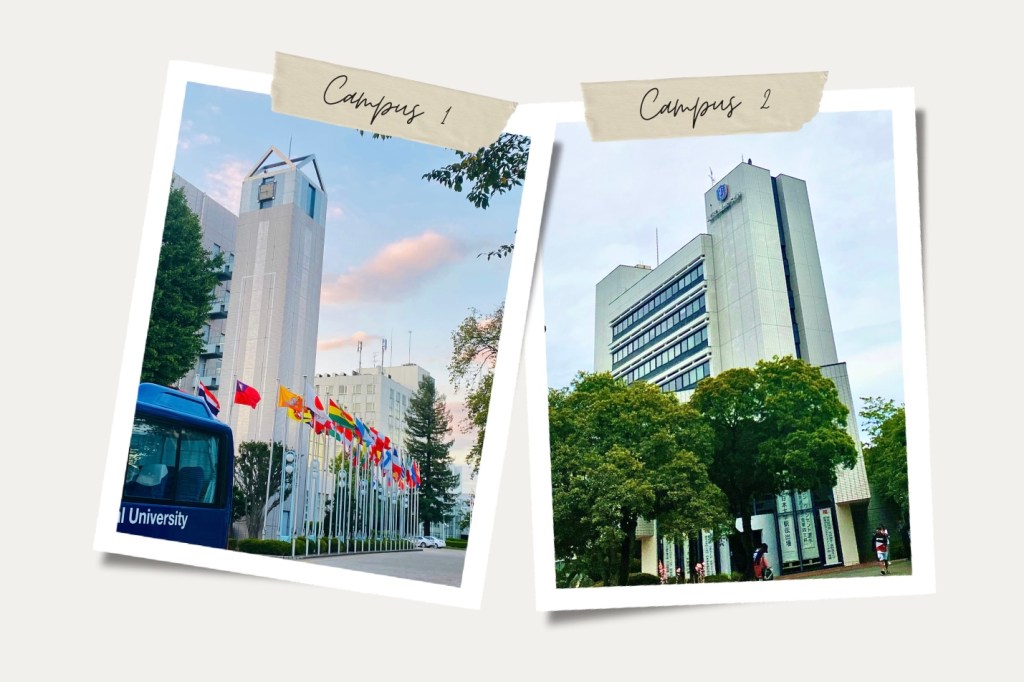
As midterms approach and our schedules become busier than ever, we rarely get the chance to explore the campuses available to us. However, our university has three campuses, each offering its own distinct facilities to cater to the different needs of students.
Starting with Campus 1, the first building you encounter after entering the university gates is located on your left. Inside this building, you will find the library, English Plaza, and Innovation Lab. Our library boasts an impressive collection of over 35,000 books in various languages. As expected, it provides excellent solo studying spots and an interesting selection of the latest academic papers and articles. The English Plaza serves as an international exchange hub where students can relax and socialize with one another. It is also the place to go for meeting English conversation partners and receiving academic advice.
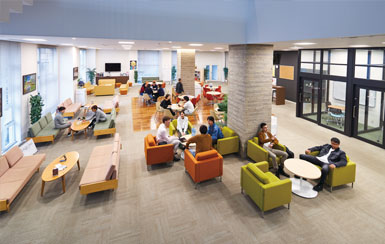
Moving on from the library building, Campus 1 serves as the main campus and houses the most important offices, such as the administrative and career centers. While the career center may not play a significant role in your life as a freshman, it becomes crucial as you approach graduation. From job hunting to resume writing in both languages, the career center helps you find employment after graduation. They also offer mock interviews and job fairs to enhance your chances during the job-hunting process.

For E-track students, building 2 will be familiar, as it houses the IEO office and the Japanese Plaza. The Japanese Plaza, similar to the English Plaza, is a hub for students to gather, socialize, and book sessions with Conversation Partners to practice their Japanese. Another Japanese language service provided is Terakoya, which offers one-on-one sessions with a teacher.
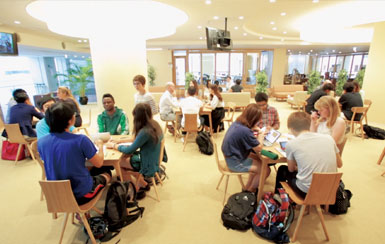
One of the most important parts of any campus is the cafeteria, especially when hunger strikes after hours of studying. Campus 1 has three cafeterias! The first cafeteria is located in the middle of the campus and mainly serves Japanese cuisine, with meals priced around 500 yen. With plenty of seats and tables, it is an ideal place to eat with friends, although it can get crowded during lunchtime, often leaving no accessible seats. Fortunately, there are two more places to grab a bite. The next option is the Halal Cafeteria, which caters to the robust Muslim population at our university. Even if Halal food is not a concern, this cafeteria is still a necessity as it serves delicious Southeast Asian cuisine that helps alleviate homesickness among international students. The last option for sustenance would be the convenience store. As the name suggests, the store within the university is similar to any other convenience store and sells most of the products found in any combini. Adjacent to it is a cafeteria providing hot water and microwaves for the instant cup noodles or ready-made meals sold at the combini.

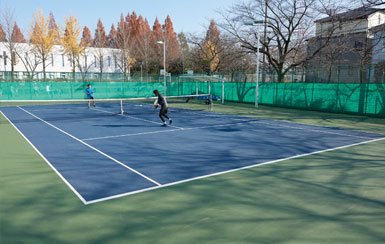
Moving on to Campus 2, this campus is home to the International House dorms. Compared to Campus 1, Campus 2 has a stronger focus on sports, featuring various courts and fields on the premises. Notably, there are tennis courts and a baseball field. Our university’s weight training gym is also located here and is open for any student to join.
The library on Campus 2 is larger but offers a narrower range of books. Despite this, the selection is more academically oriented, including specific and essential language books for JLPT and TOEIC exams. The library itself has an antique style but provides a comfortable environment for studying. For those taking the JLPT test, you will find it highly convenient to have mock examination books available in the library, allowing you to practice the listening test independently using the computers provided.

All campuses have scattered pianos throughout them, but I have found the piano in the Campus 2 cafeteria to be one of the best. Speaking of the cafeteria on Campus 2, the food there differs from the offerings on Campus 1. It still features Japanese cuisine, but you get to indulge in dishes that are not served on Campus 1. Near the cafeteria is another lounge where students can relax and eat. It is located in the annex of the quest center. This little lounge is home to an exceptional vending machine that offers convenience store essentials, from pastries to onigiris.

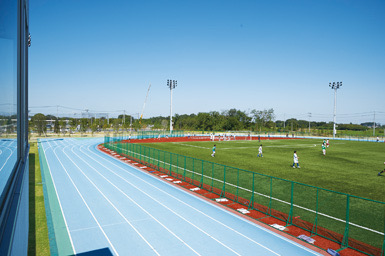
The last campus I will cover is a campus that seems like a myth to most students—the ‘sports campus.’ The Sakado campus is dedicated solely to sports and sports science. Tokyo International University has a high reputation in Japan for its athletic teams, and as such, they have made significant efforts to provide top-notch facilities for these athletes. The university website even states that the Sakado Campus boasts some of Japan’s best sports facilities. Unfortunately, access to these facilities is restricted to varsity team members only.
In conclusion, there are many facilities available to us that we often fail to utilize. Taking the time to explore our campuses may yield unexpected benefits. Every time I walk around campus, I discover new things that I hadn’t noticed before. Please let us know via our Instagram page if there’s anything you’d like to share that we may have missed out on.




 Times Of TIU
Leave a comment